Introducing The Unwanted Path – a new support resource for anticipatory grief
July 2026
When a partner or spouse is diagnosed with a terminal illness, the emotional impact begins long before bereavement. WAY member Rachel Rowland explains why she created The Unwanted Path, a new website to support people living through anticipatory grief and the practical, emotional and family pressures that come with caring for someone at the end of life.
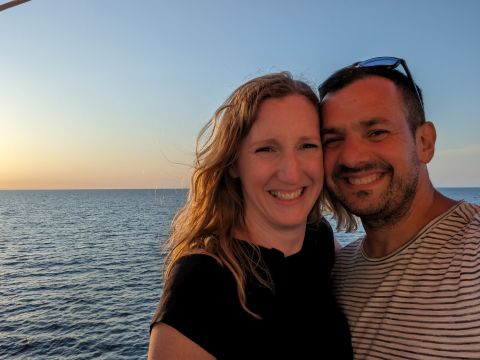
“When my husband Mark was diagnosed with incurable bowel cancer in 2024, I did what most people do when their fear becomes unbearable. I desperately searched the internet for a magical solution. I typed, ‘husband expected to die’. I didn’t know what to call myself, since I wasn’t a widow yet.
I was grateful to find the peer support network WAY Widowed and Young that day, but I was still living between diagnosis and death. Even with good local support, I spent most of that time unable to voice my horror at what was happening. It took me a long time to find the words ‘anticipatory grief’ and longer still to feel confident that we were prepared for the worst.
That gap is why I built The Unwanted Path.
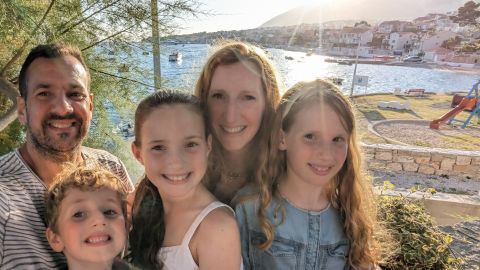
Grieving the one you love most, while they’re still in the room, is excruciatingly painful. They need you; your family need you, while you’re also trying to understand what’s happening to you. Staying present, practical and hopeful, while preparing for the worst, is confusing, overwhelming and uniquely personal. But it doesn’t mean we can’t support the people who have to go through it.
Many partners of patients under 55 are parents. Most are in the middle of their careers, maintaining a mortgage and other financial responsibilities, while caring for their loved one. The diagnosis interrupts everything, for the patient and their partner equally.
Theunwantedpath.org is specifically designed to help with the impossible burden of knowing your person is going to die. The site offers honest, practical and emotionally grounded support for partners and spouses of people living with a life-limiting illness, from the days after diagnosis through to the end of life. It's free, ungated and built entirely from the experience of people who've lived through it, without clinical advice, false hope or platitudes. It lives in the space between medical information and therapeutic counselling, offering a human voice at each step of the unwanted path.
“Thank you, for compiling a sensitive, comprehensive and invaluable resource for anyone to come to should they be facing a palliative situation with their partner. It brings together all the main areas that you might need help or information about from practical advice on medical care and finances to planning ahead, making difficult choices, communication and even what to expect at the very end.”
Dr Molly Byham, GP
How you can help
I would like this resource to reach as many families as possible in the UK, in the moment they need it most. To do that, I need help from people who understand the challenges of living with a terminal illness.
It’s a live project. If you work in palliative care, oncology, dementia care, neurology, cardiology, mental health, or you support people through services such as therapy, GP, community nursing, financial planning or family law, I'd welcome your input.
I’m building a referral network of professionals and organisations who can point people towards The Unwanted Path when they need it and who might also contribute their expertise to the site's structure, content and resources.
If you’re a WAY member or supporter who lived alongside someone with a terminal illness, I’m looking for contributors. That could mean writing content, sharing your story, offering a quote, suggesting resources, or simply spreading the word among the people who need to know that this resource exists.
The Unwanted Path is a peer-led resource, built on the same principle as WAY: the people who’ve been through it are best placed to help others find their ways forward.
Mark spent his final months completely committed to ensuring that his children and family could be OK without him. The Unwanted Path is part of how I intend to keep that promise, to him and to anyone who finds themselves on a path they never wanted to imagine.”
If any of this resonates, please get in touch with Rachel at unwantedpathinfo@gmail.com or visit theunwantedpath.org
WAY is working with Rachel to create a helpful resource on our website focusing on anticipatory grief to ensure that those living between diagnosis and death can find support.

Your donations are always welcome.
Donate